

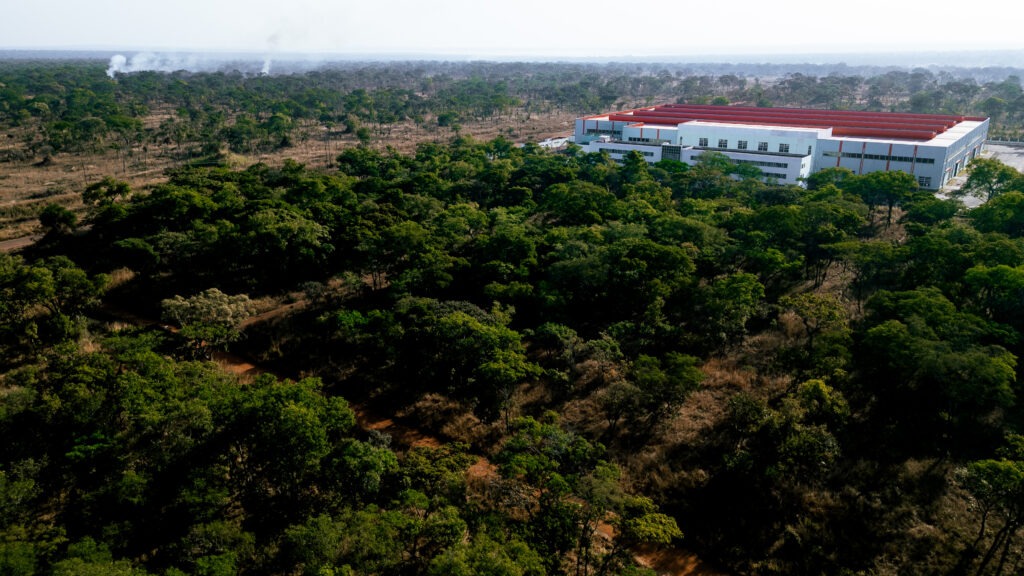
Kalumbila Town sits at a moment of rare promise. Built with purpose and ready infrastructure, the town is emerging from its mining roots into a diversified economic hub — exactly the sort of place the Lobito Corridor is designed to connect to global and regional markets. Kalumbila’s Multi-Facility Economic Zone (MFEZ), investor incentives and recent private developments position it to capture new logistics, manufacturing and agri-business flows as the corridor comes online.
But what exactly is the Lobito Corridor?
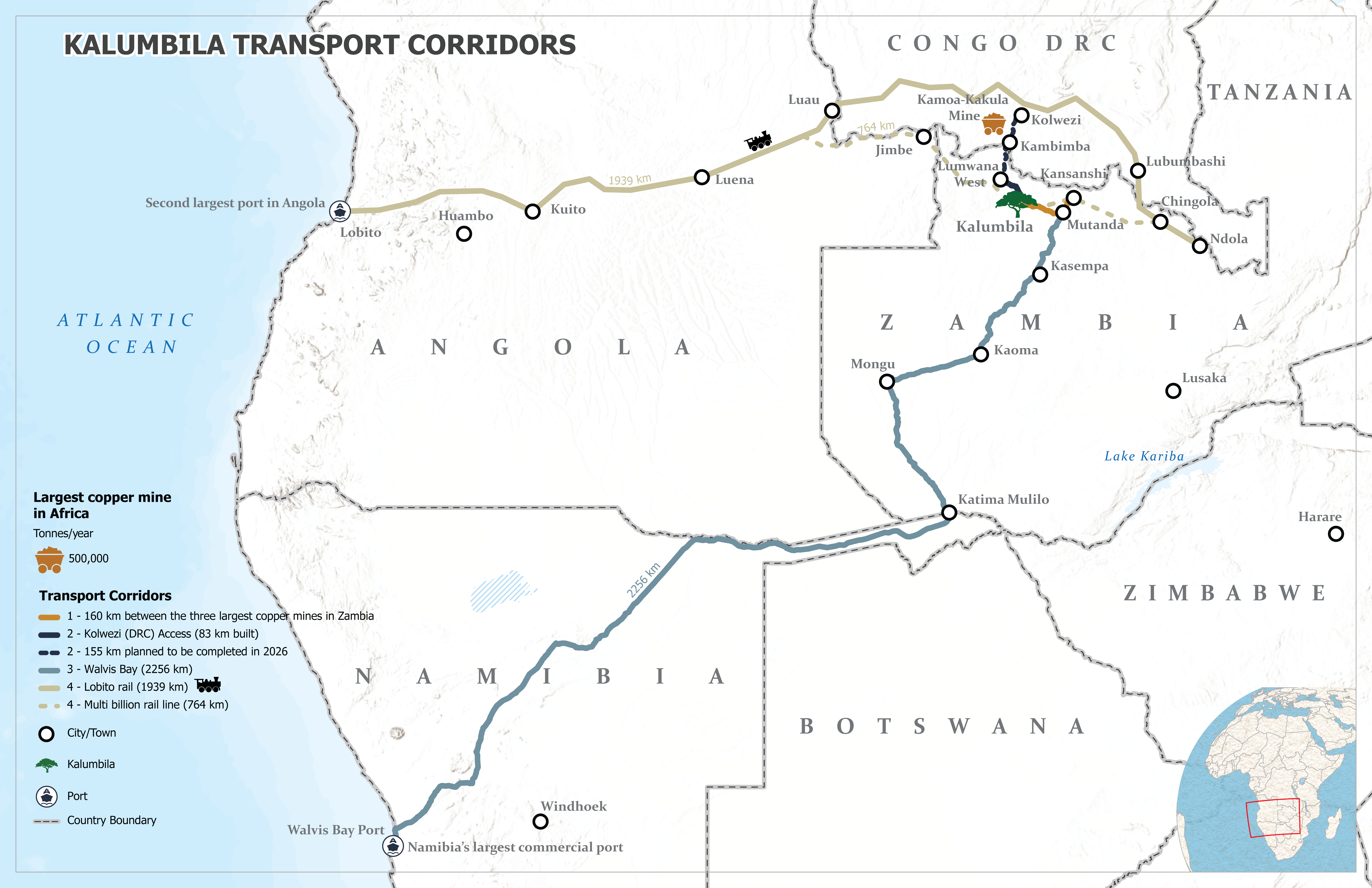
The trade route is an Atlantic Ocean-facing link between Angola’s Lobito Port with the mineral and agricultural interiors of the Democratic Republic of Congo (DRC) and Zambia. It is more than rail and road but an engine for value addition.
For Kalumbila Town, which already hosts significant mining activity and a growing industrial park, the corridor promises faster export routes, lower logistics costs and a competitive spur for local processing of copper, agro-produce and manufactured goods. That is precisely how towns transition from extractive dependency to broader economic anchors.
And this has always been the vision for the town. To outlive its mining roots and emerge as an economic hub, not only in the North Western Province but Zambia and beyond.
Stakeholder backing has been decisive in shaping the corridor as a development platform rather than solely an export line. The European Union has framed Lobito Corribor under its Global Gateway strategy and pledged financial and technical support to make the corridor a model of transparent, sustainable trade.
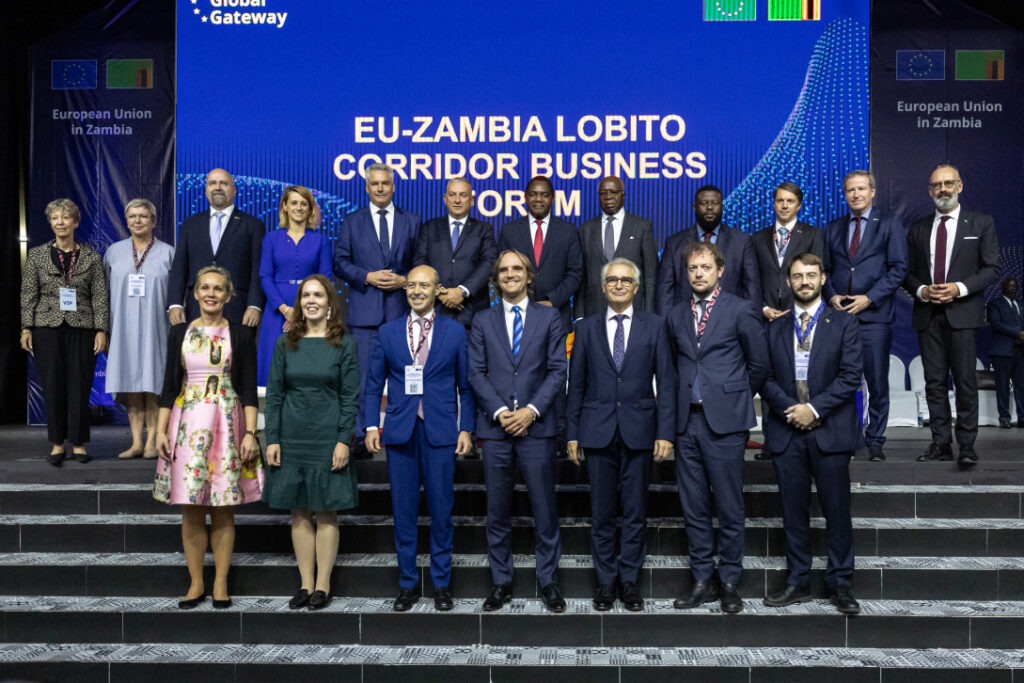
Ms. Karolina Stasiak, EU Ambassador to Zambia, said at the recent EU–Zambia engagement: “This Forum will identify concrete investment and partnership opportunities along the corridor. What we aim for is to create lasting impact on the ground with new jobs and market engagements.”
That kind of partnership matters directly to towns like Kalumbila, which need both market access and investment to scale industries beyond raw commodity export.
The corridor is aligned to the national economic plan. President Hakainde Hichilema has described the corridor as a strategic opportunity to open up regions and accelerate trade and investment. This is a view echoed by line ministries pushing industrialization, local value chains and export diversification. For Kalumbila, this momentum translates into stronger policy backing for manufacturing, agro-processing and logistics firms that can set up operations near the MFEZ and serve both domestic and export markets.
What makes the Kalumbia Town MFEZ particularly well placed? The town combines planned infrastructure (airstrip, housing, utilities), investor incentives inside the MFEZ, and a pipeline of private developments that include light manufacturing, services and agri-value players. These assets reduce the lead time for investors who want to move from feasibility to production once corridor capacity and trade facilitation are in place. In short, the MFEZ has the space, policy environment and community foundations to convert corridor access into lasting local jobs and industry.
The Lobito Corridor will not magically transform Kalumbila overnight — success depends on coordinated investment, skills development and local supply-chain linkages. But with firm support, high-level Zambian commitment and Kalumbila Town’s deliberate, development-first planning, the town stands to become a practical example of how a mining town can evolve into a diversified economic centre — serving Zambia’s ambitions for value addition, manufacturing and agri-business.
Investors, policy makers and communities will watch closely as corridor investments turn logistics potential into real factories, farms and jobs in the Happiest Town in Africa.